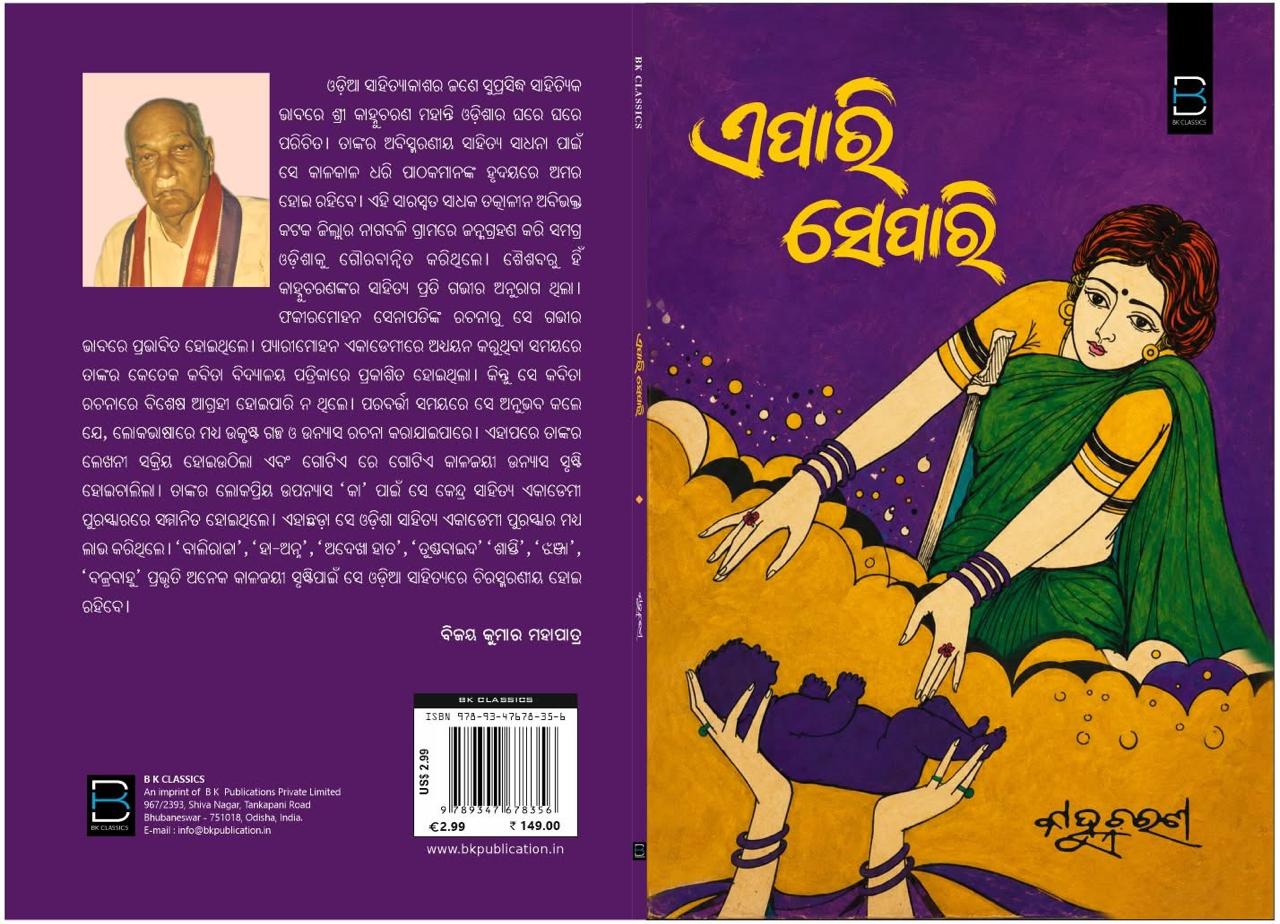
Kahnu Charan Mohanty’s Epari Separi is a poignant novella set in pre-Independence rural Odisha. Set in Trilochanpur, a remote coastal village near Kujang, it tells the story of Pechi, a thirty-year-old woman whose life is shaped by poverty, social prejudice, natural calamities and an unforgiving fate. Kahnu Charan completed the novella on 17 April 1945 at Rayagada, Koraput, and it was published in 1946.
The world of Epari Separi is that of a coastal village constantly struggling against nature and circumstance. Storms, rain and other natural calamities are woven into the lives of its people. Yet the greatest storms faced by Pechi are not always those of nature; they are the social and emotional hardships imposed upon her.
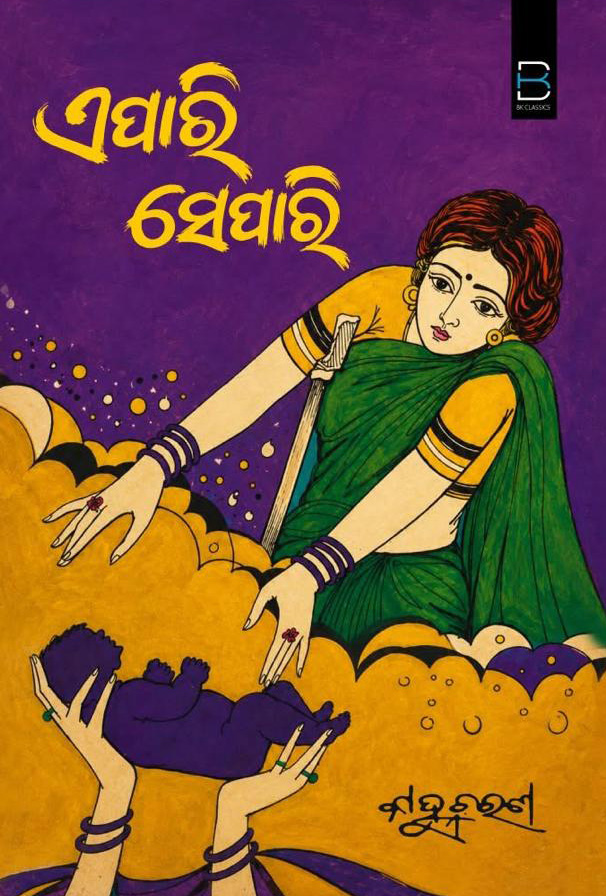
Pechi is beautiful like her mother, but her life is filled with sorrow. She gives everything to her family, yet receives little in return. She raises her brother Chaina through immense hardship, only to become unwanted in her own home after he marries. The husband she marries, Mania, refuses to take her home after an accident leaves her disabled. In her husband’s village, she faces another woman and another form of rejection. When the other woman’s children begin to die, superstition turns Pechi into a daayani, a witch.
The question becomes: where can Pechi go? Should she remain on this side or cross to the other?
Yet what makes Pechi extraordinary is her refusal to become bitter. Despite humiliation, rejection and suffering, she does not wish harm upon anyone. She carries hurt and wounded pride, but not hatred. Her compassion survives even when life repeatedly fails her.
This sensitive portrayal of a woman’s inner world is one of Kahnu Charan’s greatest strengths. As in many of his other works, he explores the lives and psychology of rural women with remarkable insight. Epari Separi is not simply a story of suffering; it is a story of resilience. Pechi fights against fate from childhood and learns to stand on her own feet, much like the people of the coastal village who struggle against nature to survive.
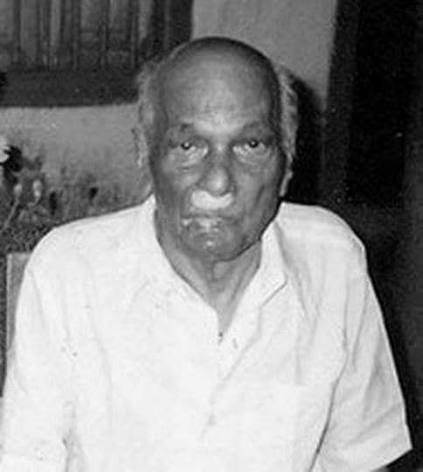
The novella is also rich in its depiction of rural Odisha. Its village landscape, colloquial expressions, customs, social practices and folk beliefs give the narrative an authentic cultural texture. The story becomes not only the portrait of one woman but also a glimpse into a society governed by tradition, superstition and collective beliefs.
The ending is particularly striking. After a night of storm, rain and darkness comes the possibility of dawn. Pechi’s decision changes everything. Through love and compassion, she brings life back from the edge of death, while the woman who once regarded her as a witch begins to see her differently. The daayani becomes almost a goddess.
This transformation gives the title Epari Separi its deeper meaning. People cross from one shore to another; hatred gives way to compassion, rejection to acceptance, and darkness to hope.
After remaining unavailable in the market for many years, Kahnu Charan’s works are reaching readers again through the dedication and efforts of Shri Bijay Kumar Mahapatra, founder of B.K. Classic Publications. Epari Separi deserves to be read today not merely as an old novella, but as a powerful story of womanhood, dignity, compassion and the human capacity to survive.
To buy click on the below Amazon Link: